

In France, more than 1.2 million people live with Alzheimer’s disease Or a related neurocognitive disorder (Lewy body disease, fronto-temporal lobar degeneration…). Every year, nearly 225,000 new cases are diagnosed. If age remains the main risk factor, international studies suggest that approximately 30 to 40% of dementias are associated with modifiable factors, including high blood pressurediabetes, smoking, social isolation, lack of physical activity, excessive alcohol consumption and obesity.
Is olive oil good for the brain?
Mediterranean type diet is considered a valuable ally for brain health and prevention of Alzheimer’s disease.
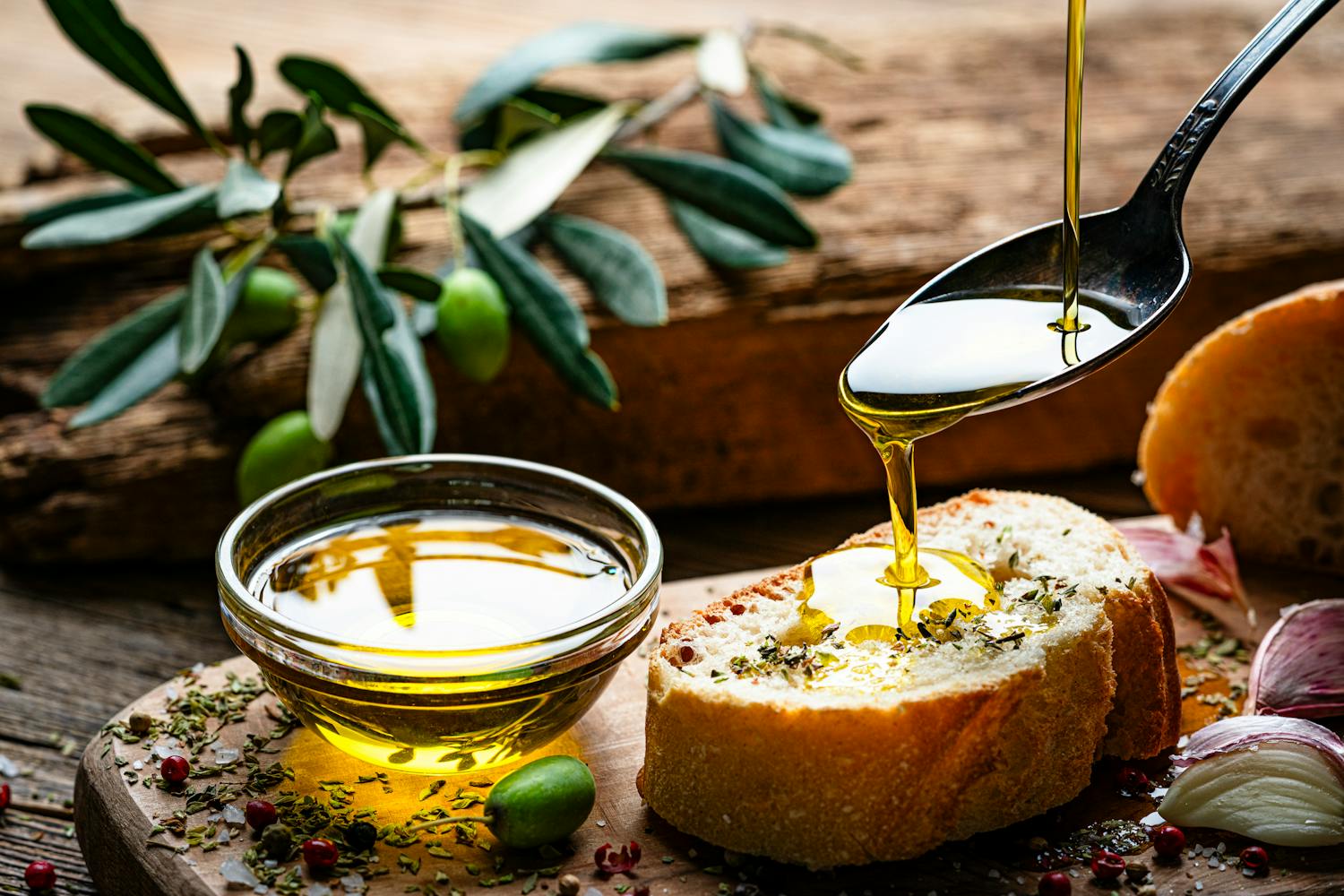
Pillar of the Mediterranean diet, olive oil acts in synergy with other nutrient-rich foods such as seasonal fruits and vegetables, fatty fish, legumes and oilseeds.
A large observational study – Olive oil consumption and risk of total and cause-specific mortality among US adults – conducted by researchers at the Harvard TH Chan School of Public Health and published in 2022 in the Journal of the American College of Cardiology, showed that people consuming more than 7 g of olive oil per day had a 28% reduction in the risk of Alzheimer’s disease-related mortality. “ One of the reasons explaining these positive results corresponds to the beneficial effects of olive oil on vascular health, notably by acting on coagulation, lipid metabolism, and inflammation. », Specifies the public health specialist.
How does olive oil have a protective effect on the brain? What are the mechanisms?
The potential protective effect of olive oil on dementia — notably Alzheimer’s disease — is believed to be based on several biological mechanisms.
It reduces oxidative stress
Rich in polyphenols and vitamin E, extra virgin olive oil helps neutralize free radicals responsible for oxidative stress. By protecting cell membranes and supporting antioxidant defenses, these compounds could contribute to the maintenance of cognitive functions.
It has an anti-inflammatory effect
Polyphenols contained in olive oil, in particular oleocanthal, have anti-inflammatory properties. By reducing the production of pro-inflammatory molecules, these compounds could limit the chronic inflammation involved in the progression of Alzheimer’s disease.
It could act on Tau protein and beta-amyloid
Experimental work shows that compounds in extra virgin olive oil – such as oleocanthal and hydroxytyrosol – could influence several processes involved in Alzheimer’s disease. Thus, a recent review of preclinical studies highlighted promising results concerning the reduction of the load in beta-amyloid in animals. However, these data remain experimental and require confirmation in humans. Some laboratory studies also suggest a potential effect on abnormal changes in Tau protein.
It protects cardiovascular health
Finally, olive oil helps improve the lipid profileto reduce vascular inflammation and preserve endothelial function. “ Indeed, poor vascular health is closely linked to the risk of dementia, accelerating the onset of Alzheimer’s disease symptoms. », recalls the specialist.
What is the best olive oil for health? Which type to favor?
It is advisable to choose an extra virgin olive oil, from a first cold pressing, which will resist cooking better. “ Since olive oil has a more distinctive taste than sunflower or rapeseed oil, I often recommend testing several to find the one that suits best, confides Professor Philippe Amouyel. Also favor opaque or dark containers and store it in a cupboard away from light and heat. »
How much should you consume per day to benefit from its benefits?
In studies, the consumption associated with nutritional benefits is estimated at 7 g, the equivalent of two teaspoons or half a tablespoon. “ Please note, the protective effect is part of an overall lifestyle including a Mediterranean diet, regular physical activity and management of cardiovascular risk factors.e,” concludes the specialist. To the wise…
The pillars of the Mediterranean diet
The Mediterranean type diet is based on the consumption of:
- olive oil as a source of fat;
- fruits and vegetables every day;
- whole grains every day;
- dried vegetables twice a week;
- walnuts, almonds, hazelnuts and olives, just before meals;
- fish twice a week;
- fresh cheese or yogurt (often made from goat’s or sheep’s milk) every day;
- lean meats, mainly poultry, once or twice a week;
- red meats, very rarely.